
MTNA Conference 2026 Reflections
Sivan Etedgee
I recently attended the MTNA National Conference and would like to highlight two particularly valuable sessions, along with the meaningful connections made throughout the conference.
In an intermediate masterclass, Nancy O'Neil Breth demonstrated an engaging and practical approach to working with developing students. She modeled a “mini-recital” format, showing how thoughtfully curated, level-appropriate programs—especially those including contemporary repertoire—can build confidence and musical engagement. Her teaching emphasized student ownership, asking performers to reflect on their favorite moments and encouraging imaginative character exploration, while also offering clear technical strategies for articulation, sound, and pedaling.
In a session on technique and artistry, Catherine Rollin highlighted how technical development is inseparable from musical expression. She presented a range of touches and movements—such as forearm and wrist staccato, rotation, and weight transfer—always tied directly to the desired sound. Her use of vivid imagery and physical awareness offered practical tools for helping students develop both control and expressive nuance.
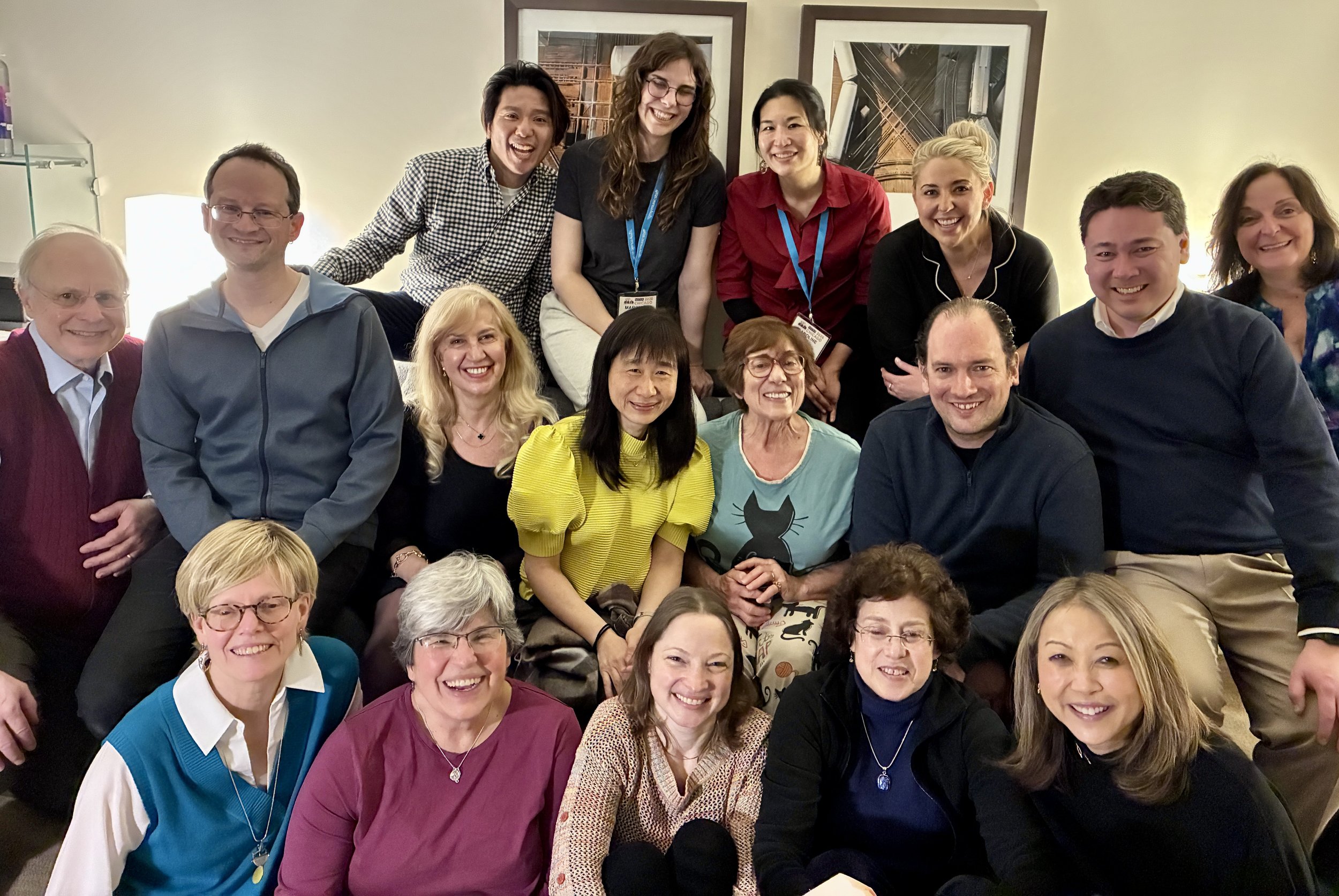
In addition to these sessions, one of the most rewarding aspects of the conference was the opportunity to connect with fellow musicians and colleagues, including members of Massachusetts Music Teachers Association. These conversations were both inspiring and energizing, reinforcing the sense of community within our profession.
Overall, the conference provided valuable pedagogical insights and a renewed sense of connection. I am grateful to MMTA for the travel grant, and encourage members to consider attending a future MTNA Conference.
Rebecca Helm
Attending the MTNA National Conference in Chicago this year was an especially meaningful experience, as it marked the organization’s 150th anniversary. As only my second time attending the national conference, I felt a renewed sense of connection to the broader music teaching community and a deep appreciation for the rich history and continued impact of MTNA. The celebratory atmosphere made the event both inspiring and memorable, bringing together educators from across the country to reflect, learn, and grow.
One of the standout moments of the conference was the closing performance by pianist Angela Hewitt, whose artistry and depth provided a truly inspiring conclusion to the event. The opening session, featuring a concert by jazz vocalist Jane Monheit, was also engaging, setting a lively tone for the days ahead. The keynote address by Scott Yoo was particularly memorable, as he shared many personal stories to illustrate practical insights on creativity, communication, and the life of a musician. Other highlights included the intermediate piano master class with Nancy O’Neill Breth and a session on “Winning Practice Techniques from the Sports World,” which explored visualization as a tool to enhance student practice and performance.
A proud moment for Massachusetts was during the gala, which featured the premiere of the Eben Tourjée documentary. Tourjée, a pioneering music educator and founder of the New England Conservatory, was an early leader and first president of MTNA, and it was inspiring to see our state so well represented at this milestone celebration. Overall, the conference was a truly special experience—both professionally enriching and personally inspiring—and I look forward to applying what I learned to enhance my teaching and to continue engaging with this vibrant national community.
Yishu Li
I had the privilege of attending the MTNA 2026 Conference in Chicago as a travel grant recipient. The experience was both intellectually stimulating and deeply reflective, shaping not only my artistic perspective but also my awareness of sustainable musicianship.
One of the most impactful sessions I attended focused on injury prevention and recovery for musicians. The discussion addressed issues such as muscle tension, overuse, and pain during practice—topics that are often overlooked yet critically important. This session encouraged a more mindful and body-aware approach to practicing, reminding me that technical development must be balanced with physical well-being. It reshaped my understanding of efficiency in practice and the importance of long-term health as a performer.
Equally inspiring were the masterclasses on Baroque repertoire. Through detailed exploration of articulation, phrasing, and stylistic nuance, these sessions illuminated a more historically informed approach to interpretation. I was particularly struck by how clarity, structure, and rhetorical expression can bring Baroque music to life in a way that feels both authentic and personal.
Overall, the conference broadened my perspective as both a pianist and a future educator. It reinforced the idea that artistry is not only about sound, but also about awareness of the body, of historical context, and of expressive intention. I highly encourage other members to attend future MTNA conferences for such a meaningful and transformative experience.
Qinmei Luo
Attending the MTNA 2026 National Conference was an inspiring and meaningful experience for me as a graduate piano student. Through performances, lectures, masterclasses, and conversations with musicians and educators from different backgrounds, I gained a broader understanding of both artistic development and the future possibilities within music education and performance.
One of the most valuable parts of the conference was observing how professional musicians communicate musical ideas in different ways. I especially enjoyed attending piano performances and pedagogical sessions that explored interpretation, practice strategies, collaboration, and teaching approaches. These experiences reminded me that music is not only about technical ability, but also about communication, creativity, and human connection.
The conference also gave me the opportunity to meet students and teachers from across the country, which helped me feel more connected to the larger musical community. As an international student studying piano performance in the United States, I found the experience especially encouraging and motivating for my future artistic and educational goals.
I am deeply grateful to MMTA for supporting my trip through the Collegiate Travel Grant. Without this support, it would have been much more difficult for me to attend the conference. I sincerely appreciate MMTA’s encouragement of young musicians and music educators, and I hope more students will have the opportunity to participate in future MTNA conferences.
Thank you again for your generosity and support.
Aleksandra Lvin
It was a great pleasure to attend the MTNA National Conference in Chicago this past March. The conference offered a wide range of opportunities, including lectures and seminars, masterclasses, competitions, performances, as well as exhibit halls and presentations.
As a first-time attendee, I aimed to experience as much of the conference as possible. I was especially interested in learning about software that can enhance students’ home practice, an area in which I do not typically consider myself very knowledgeable.
One particularly valuable session focused on teaching students with neurodiversities. I left feeling more informed and empowered, with practical strategies for how to better serve the students in my studio. The session also helped clarify questions I had about refining my teaching approach and adapting my communication to meet a wider range of learning needs.
I also attended several lectures on the business and marketing aspects of running an independent music studio. These sessions gave me much to consider, including ways to revamp my website to better stand out.
Throughout the conference, attendees were welcome to observe competitions and performances. The level of musicianship displayed by the students was truly inspiring, and it was a privilege to witness such artistry!
On the final evening, we were treated to a beautiful recital by Angela Hewitt, which was a memorable conclusion to the event.
I returned home feeling inspired and energized, with many new ideas for my studio, my students, and my own professional growth. I look forward to sharing what I have learned with both my students and colleagues.
Marceline Merrill
Traveling to Chicago to attend the MTNA national conference was a wonderful experience! Of course, the food and the architecture of the city were memorable, but most treasured were the moments with friends and colleagues spent laughing, cheering, and supporting each other. A highlight was meeting a friend and colleagues who I have known for 12 years for the first time.
I had the pleasure of being invited to present on Pedagogy Saturday and to perform later that day in the concluding recital. I presented alongside many wonderful friends - of note was a very powerful presentation by Mikhail Johnson on cultural appropriation, and another by Leah Claiborne and Ben Raznick on newly published works by black composers and how to have conversations with young students about tough topics like race. I presented on the neuroscience of stories and how inclusion (and lack of inclusion) affects those that whiteness them, and then proposed a model that practically walks teachers through how to practice inclusion in their pedagogy with a brief demonstration of three queer composes.
Another set of highlights was connections to important musical figures. I met and got to hear the composer Catherine Rollins play her compositions! I got a photo with her to send a photo to my student who is playing one of her pieces at a competition this weekend! Another is hearing a storied presentation about the legendary pianist and pedagogue, Gyorgy Sebok - someone that my most recent mentor and I share a deep reverence and interest for.
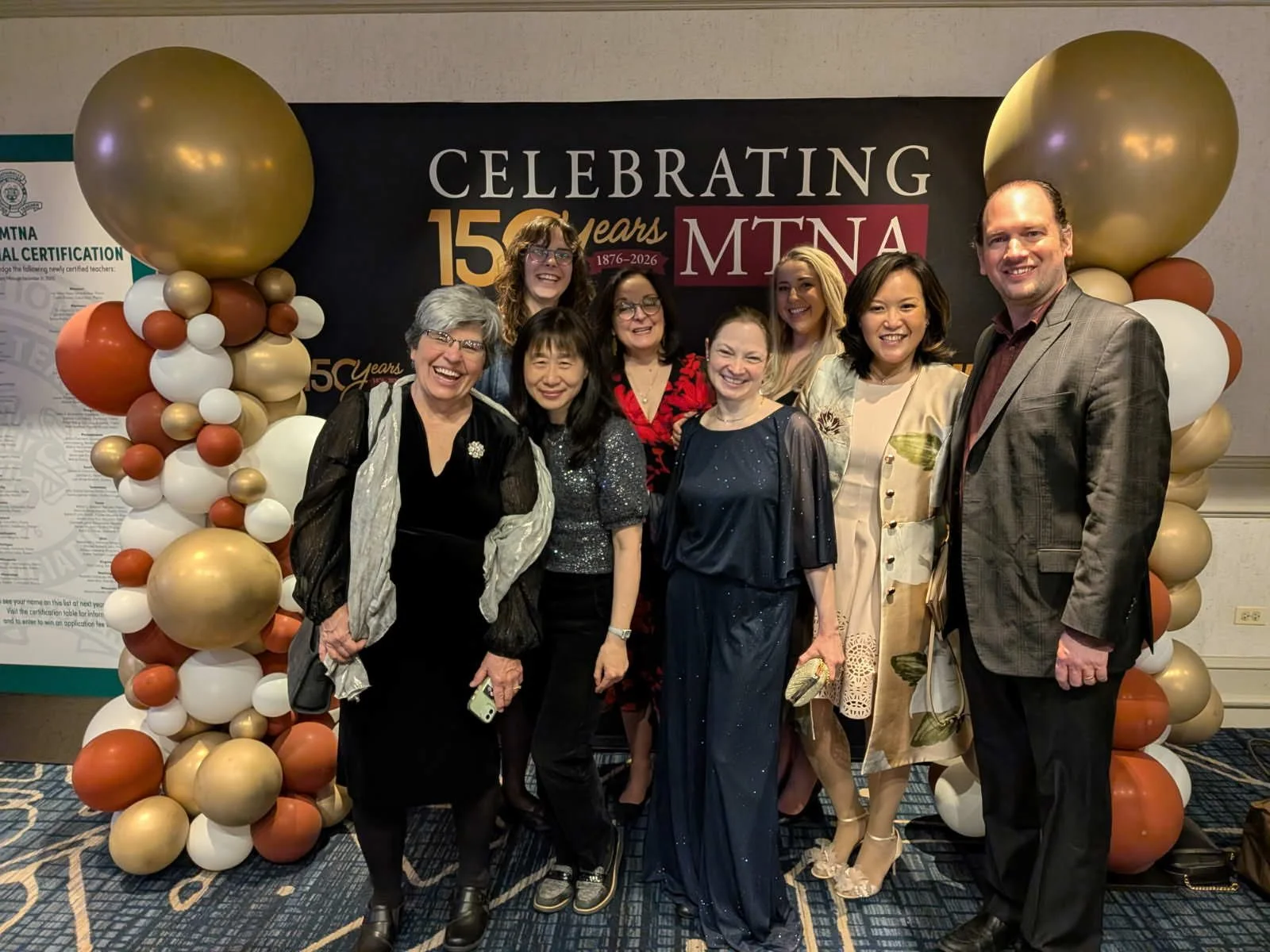
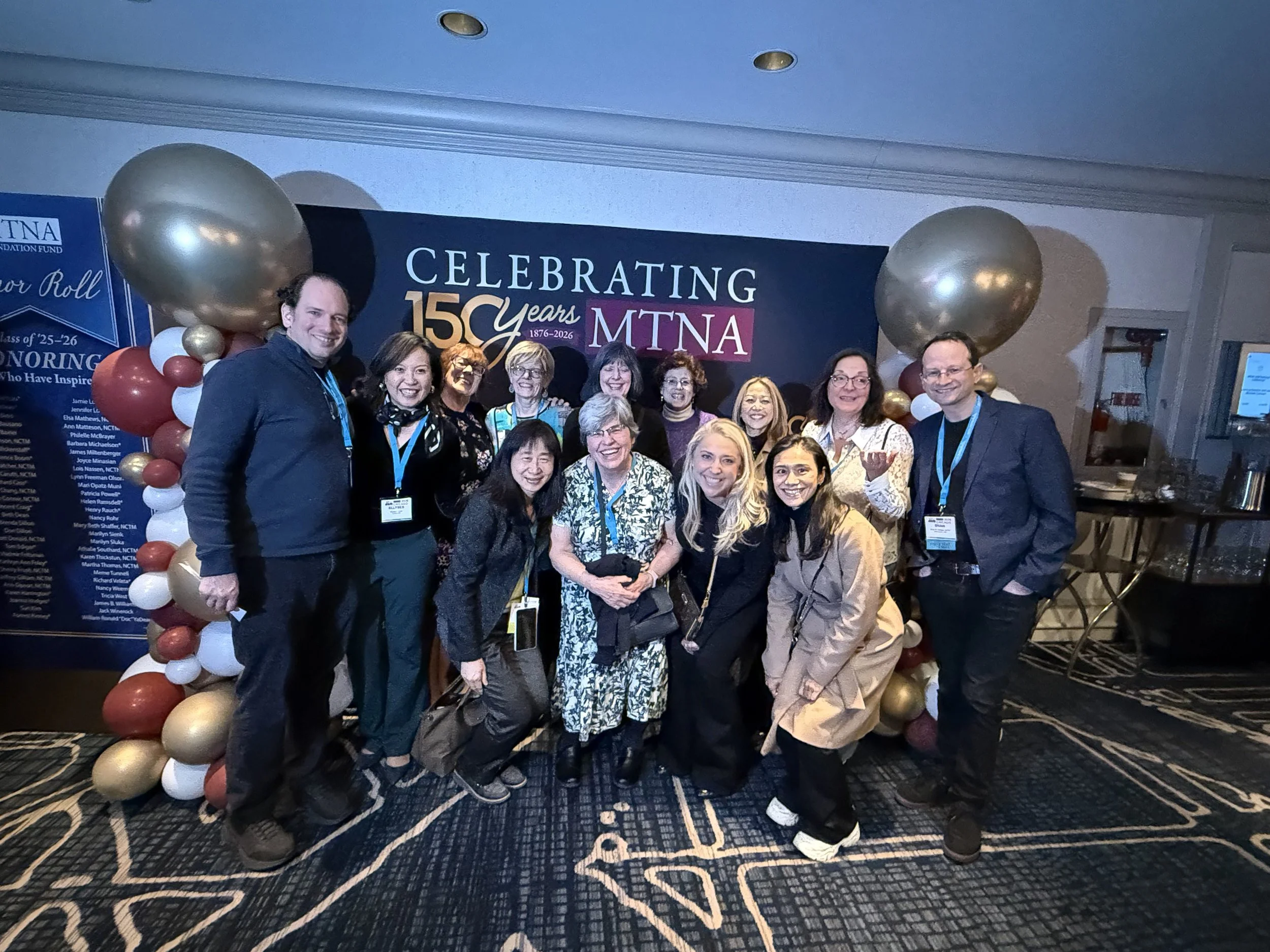
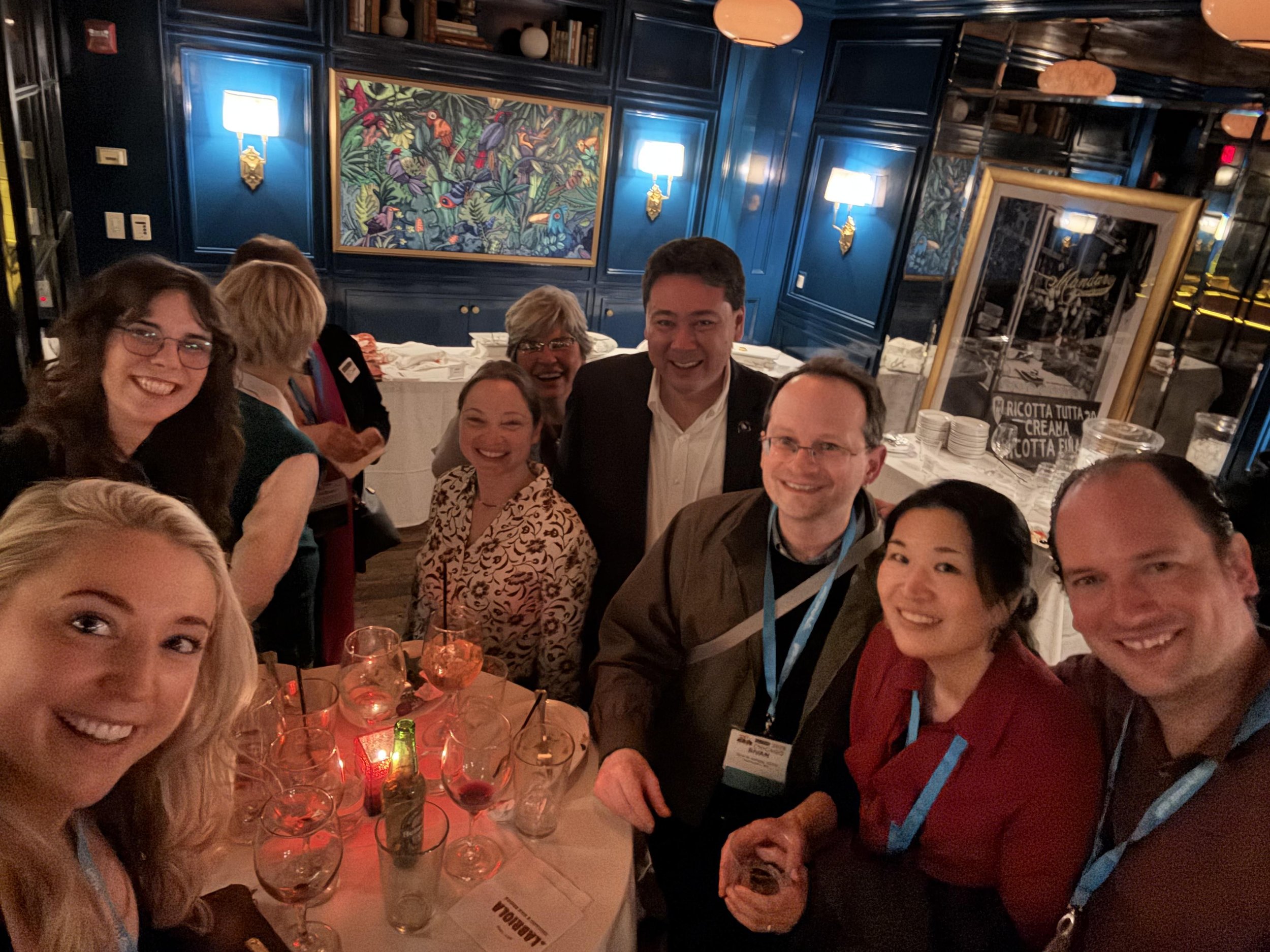
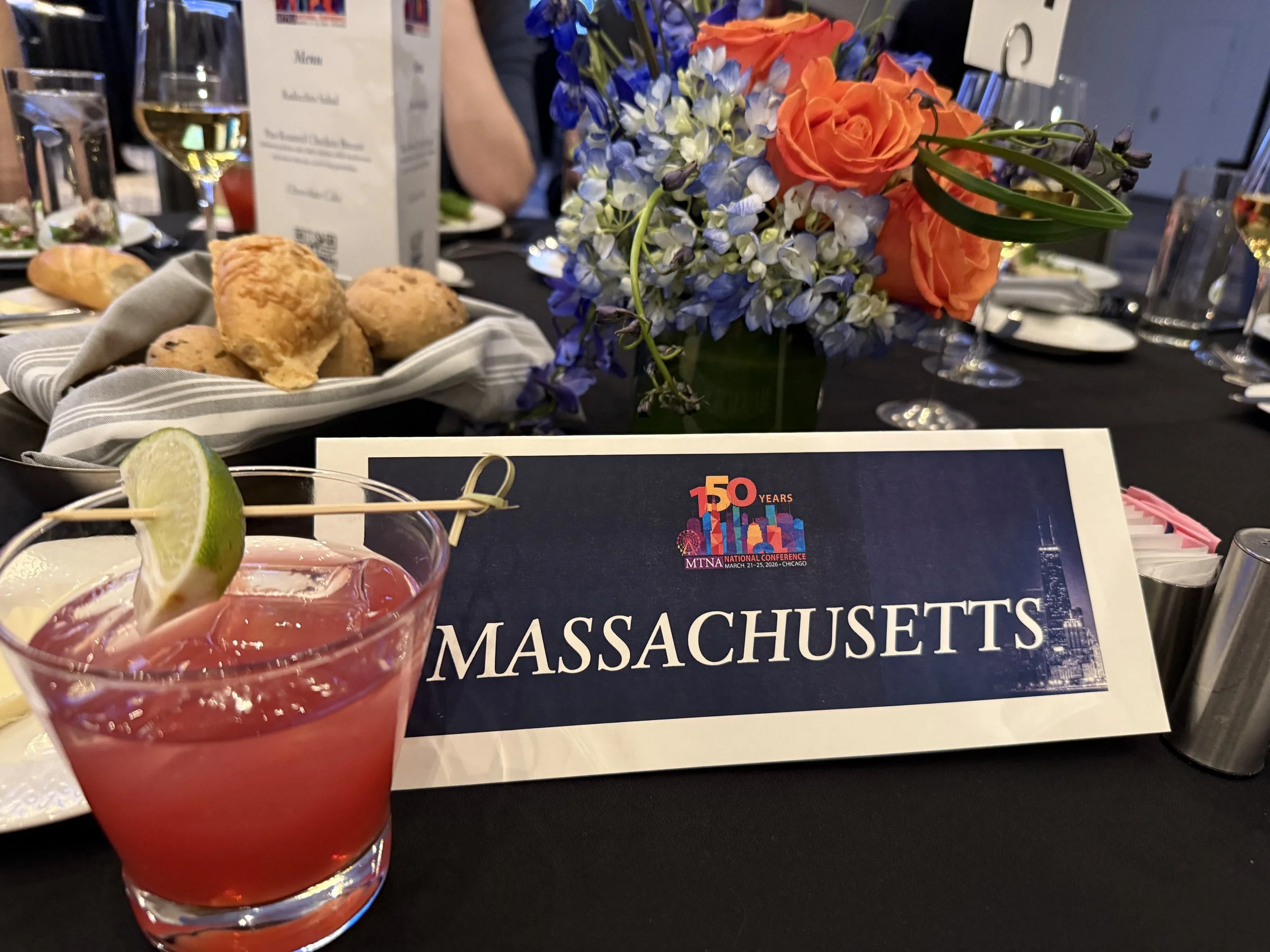
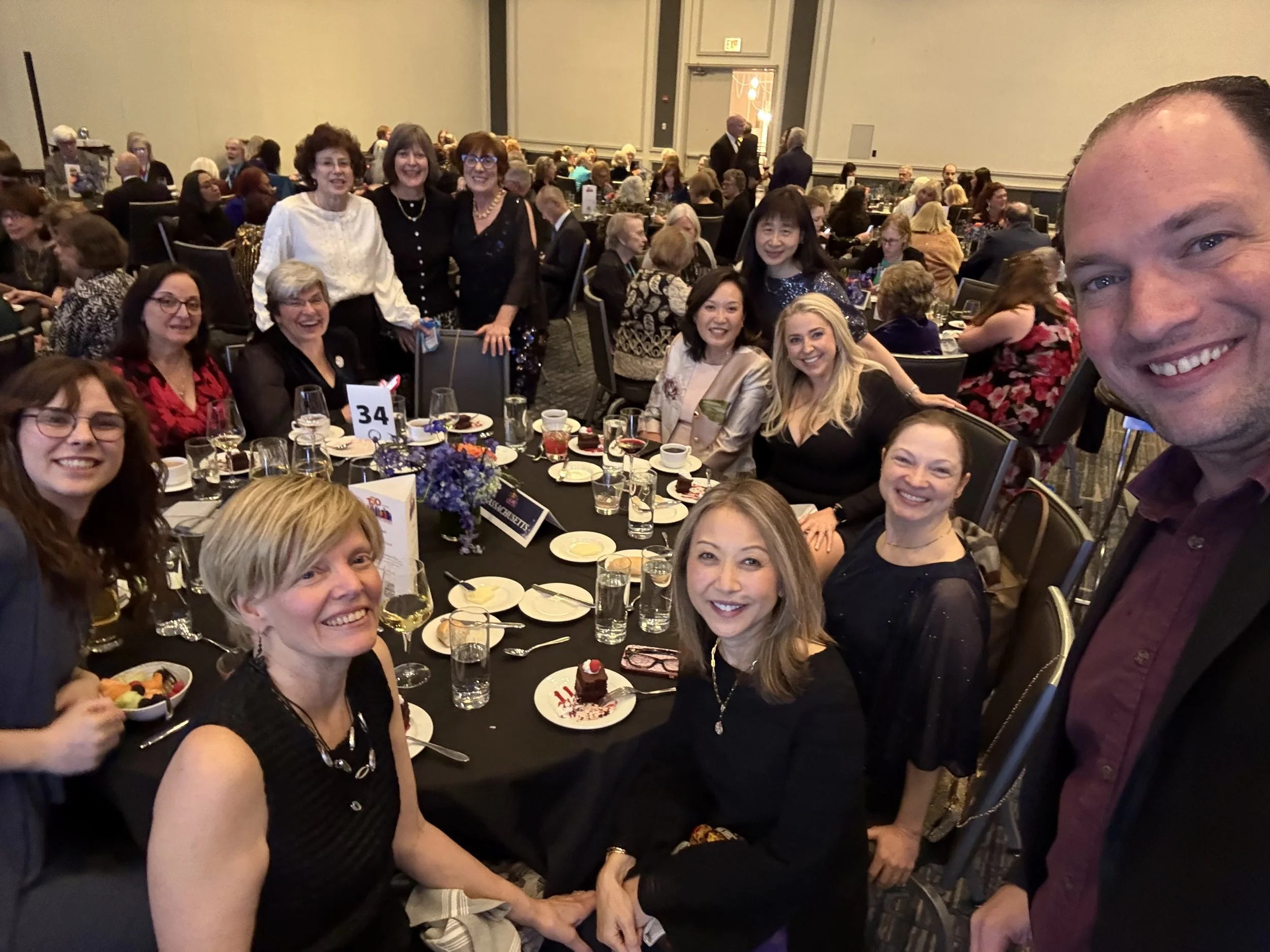
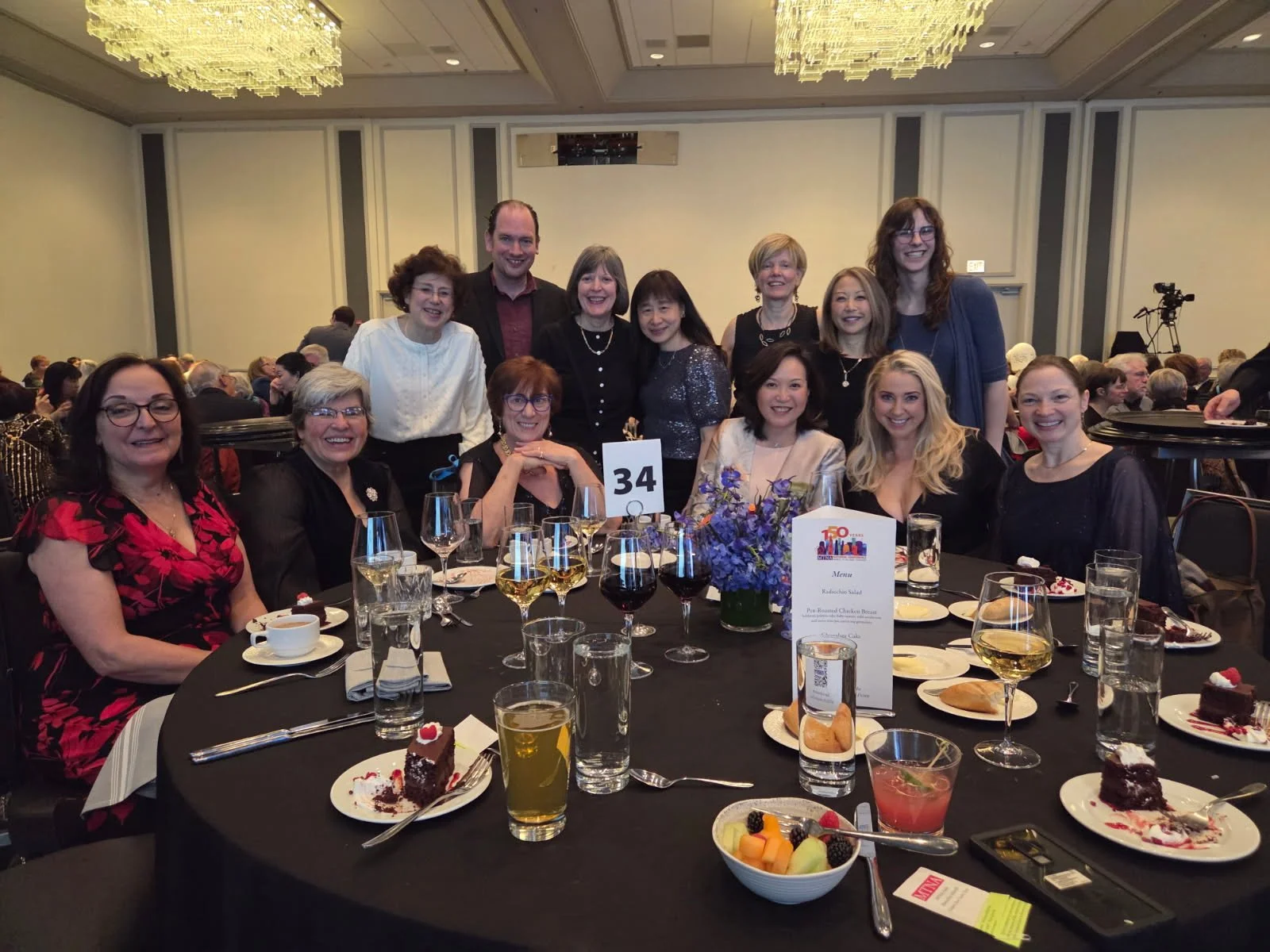
The final highlight I will mention is spending time with teachers and friends from Massachusetts! Many of us attended the 150th anniversary Gala, had a reception after a division meeting, and had many pre and post-event get-togethers. We all tend to be so busy that when we are halfway across the country in the same hotel, we have more time to visit and get to know each other. I was enriched pedagogically and had so much fun with friends. I can’t wait until the next one!
Tomer Nuriyev
This year, I had the honor to attend the MTNA piano teacher conference, which brought me both great joy and insight, both as a human and a musician. The experience was very immersive, as every day was filled with a variety of different topics being talked about and presented by different speakers in different rooms throughout the hotel where the conference took place. By looking at the event calendar, I could pick and choose which lectures I wanted to attend on each given day. The topics ranged from how to improve piano technique to physical therapists explaining the importance of posture while playing, and I learned lots from each speaker’s presentation. I had the chance to get lots of method books for my students as well at the exhibition, where you can find different piano method book authors presenting their books, as well as apps for children to improve with things such as sight reading. I had the chance to meet one of my idols, Ben Laude, who is the owner of ToneBase piano, a YouTube channel I have watched for many years now. I was not expecting to see him there, yet I had the chance to talk to him for a while about music, which was fascinating. I had the chance to meet Randall Faber, Helen Marlais, and many other big names in the world of piano pedagogy. Coming back home from this experience, I felt like a different person, full of passion and energy toward teaching and being involved with music like never before, especially after being surrounded by hundreds of musicians for a few days in a row. It was an amazing time, and I really recommend it for anyone who wants to dive deeper into the musical world.
Vinh Pham
This Spring I got to attend my second MTNA National in Chicago. Despite being under the weather and having to skip out on many wonderful social events, I luckily was able to attend as many sessions as I could! Here are three sessions (not in order of preference) that stood out to me the most and what I learned:
No. 1: Innovative Ideas to organize performances and draw audiences by Annie Jeng, Katherine Benson and Mimi Zhang
Amazing session that emphasized “outside of the box” ways to organize performances, with real life experience from different speakers. Musicians are encouraged to think of themselves as curators, as opposed to performers, and ask themselves first the important question of: “How do I want to personally experience a concert?”. Is it for a novel experience? An emotional response? To relax? The answers to these questions determine how one can treat the audience and who to collaborate with.
My favorite part is learning from each musician’s examples of how they crafted their performances. Annie Jeng recently did a recital in collaboration with dancers. Katherine Benson did one with visual artists and commissioned them to create visual pieces based on a solo piano program! Other examples of external musical collaborations such as with poetry or comedy, are not entirely new. Some are even interactive to the audience!
No. 2: Working with students who rarely or never practice by Ben Kapilow
… but obviously still come to the lessons well-behaved. There are ten strategies:
1. Guided Practicing: Run the lesson as if it was a practice session.
2. Communicate with parents.
3. Make progress visible (Vivid Practice Apps, Andante Music Journal)
4. More concrete assignments. Be specific about what you want the student to achieve in a week.
5. Reconsider Repertoire. Is the music too easy or too hard? Can you “sell” the music to the student so they are excited to learn it?
6. Reconsider the Nature of Assignments: Instead of practicing the piece from the score, a variety of other assignments can be given, such as listening, learning by ear/rote, or using practicing apps.
7. Redesign the lesson so that it does not depend on practice. “Music Enrichment” can be a temporary solution, rather than a long-term plan.
8. Increase lesson frequency: One full length and one “guided practice”.
9. Consider material rewards, but be careful with balancing intrinsic vs extrinsic reward.
10. Pep Talk: Opportunity to relate music lessons to life - can engage student role models such as Stephen Curry or Taylor Swift about their work ethics.
No. 3: Studio Motivation by Christopher Fisher
Dr. Fisher gave many inspiring books and quotes that motivate the teachers which in turns directly affecting the students.
The ultimate goal of the teacher is well put in Robert Frost’s quote: “I am not a teacher, but an awakener”.
Frances Clark also has a similar idea: “The Art of Teaching is to create a situation in which the students want nothing but to learn”
For a task to be motivating, it has to be interesting, relevant, and valuable. Desire + Goals => Action
Extrinsic rewards has to be used judiciously, randomly and occasionally in the studio, as in the book: “Punished by Rewards” by Alfie Kohn: Extrinsic rewards can provide short term boost, but can ultimately kill creativity, be toxic, and even rupture relationships.
Praises cannot be hollow (which undermines motivation). It must be specific and focus on effort, strategy, process and progress - not intelligence or talent. It is most effective when it describes what is observed. Praise and be framed as a question which demands reflection. For example: What did you do this week to play this section so much more convincingly than before?!
I especially love the strategy of letting students create their own learning goals at the beginning of the year:
1. Ask them to articulate and write down their top learning goal
2. Share with a practice partner for accountability
3. Consult regularly
4. “Do-it-yourself” (DIY) Report & Compare it with Teacher Report
Lydia Reed-Guertin
MTNA’s 2026 conference celebrating 150 years since its founding was truly fantastic. The sessions, masterclasses and recitals have given me so many ideas and techniques to apply in my teaching. The topics covered every aspect of piano pedagogy, and I made sure to attend at least one session of each area of focus. Here are some highlights of those sessions:
“Rise, Shine and Refine: The Ultimate Daily Technique Workout” presented by Dr. Janet Lopinski and Dr. Stephen Pierce. Teach technic proactively, not reactively. Besides the usual scales, chords and arpeggios, daily technical practice can be complimented by assigning etudes at all levels. Different collections were referenced in the talk. Lastly, pianists are athletes and should take the time to warm up with stretching and breathing exercises. A book that was highly recommended was “Unleashing the Potential of a Musician’s Body” by Tina Margareta Nilson.
“We Share One Sky: Project-Based Learning In The Music Studio Builds Student Motivation, Competence and Retention: Penny Lazarus (MMTA member!) This topic was of immense value to me, as I look to create more opportunities within my studio focusing on a specific recital theme. It was so inspiring to hear about the projects that Penny’s students have collaborated, bringing joy to the community, their families and ultimately to themselves.
“We’ve Come a Long Way, Baby?” presented by Dr. Jennifer Hayghe. This was a fascinating session that focused on women pianists with performing careers going back in time to Clara Schumann through modern times. There were historical facts, pictures and recordings for each performer, highlighting their individual style and impact on the concert stage.
“Hats off for Agnes Tyrrell: Recital/Competition Pieces by a Romantic Genius” presented Dr. Jocelyn Swigger. Agnes Tyrrell (1846-1883) was a virtuoso pianist and prolific composer who sadly only lived into her 30’s. She was mostly unknown beyond her hometown but she left exquisite handwritten manuscripts that were lovingly cared for and are now coming to light through publications. Range in difficulty explores intermediate through advanced levels, including 12 Concert Etudes, Op. 48/A837 (to be released soon).
Lastly, from a performance standpoint, observing the masterclasses given by Nancy O’Neill Breth and Alan Chow, hearing the fantastic recitals by Jane Monheit and Angela Hewitt and some of the National finalists in the competitions, were all such inspiring events. The experience of attending an MTNA conference is unparalleled in our profession! There are so many learning opportunities that will immediately enhance your teaching, not to mention all the music shopping possibilities in the Exhibit Hall. The friendships and collegiality that is shared in our state and beyond all add to the celebration of our chosen vocation. I highly encourage you to attend next year’s conference in St. Louis, Missouri.
Dorothy Travis
I looked forward to this year’s National convention with great anticipation. I knew that our state would be well represented by teachers and students and that our state had the foresight to plan and produce the documentary on founding member Eben Tourjee which was to be shown at the banquet. I had a great sense of pride in the camaraderie and professionalism of our state members as several of them presented or presided over workshops and competitions. Spending time with colleagues is always the highlight of any convention!
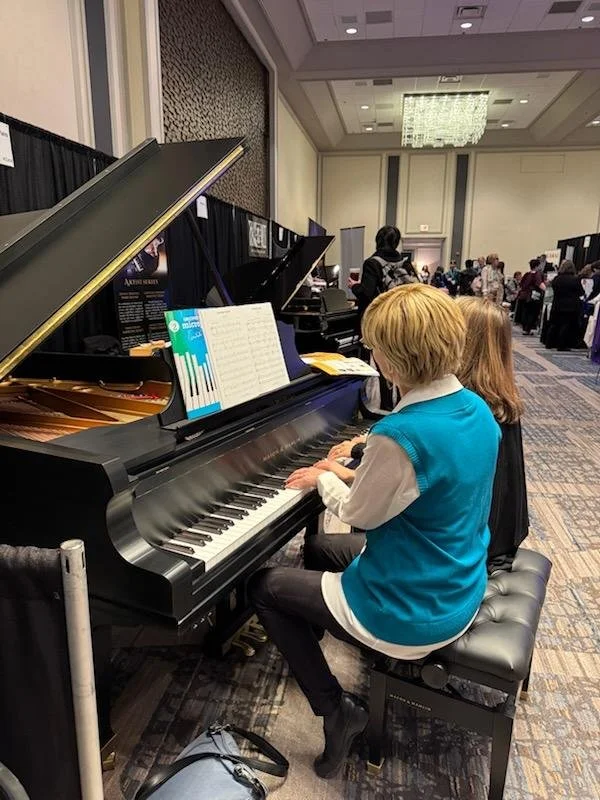
Some days at the convention were full of concrete plans and not to be missed sessions and at other times, I just let my ears, eyes, and feet wander. I was pleased to attend several sessions with Duet literature from all over the world. Delightful compositions from Japan, South Korea, and Taiwan; and sophisticated jazz accompaniments to Bach’s Inventions and Sinfonias arranged by John Salmon! And it is fun to grab a colleague and sit down and discover new pieces.
In the exhibit hall, I watched a representative for Norwex demonstrate their cleaning products, some of which are perfect for cleaning a grand piano and mirrors and glass and windows, all without the use of chemicals. It is nice to be reminded of the convention while I am using them at home! An unexpected find!
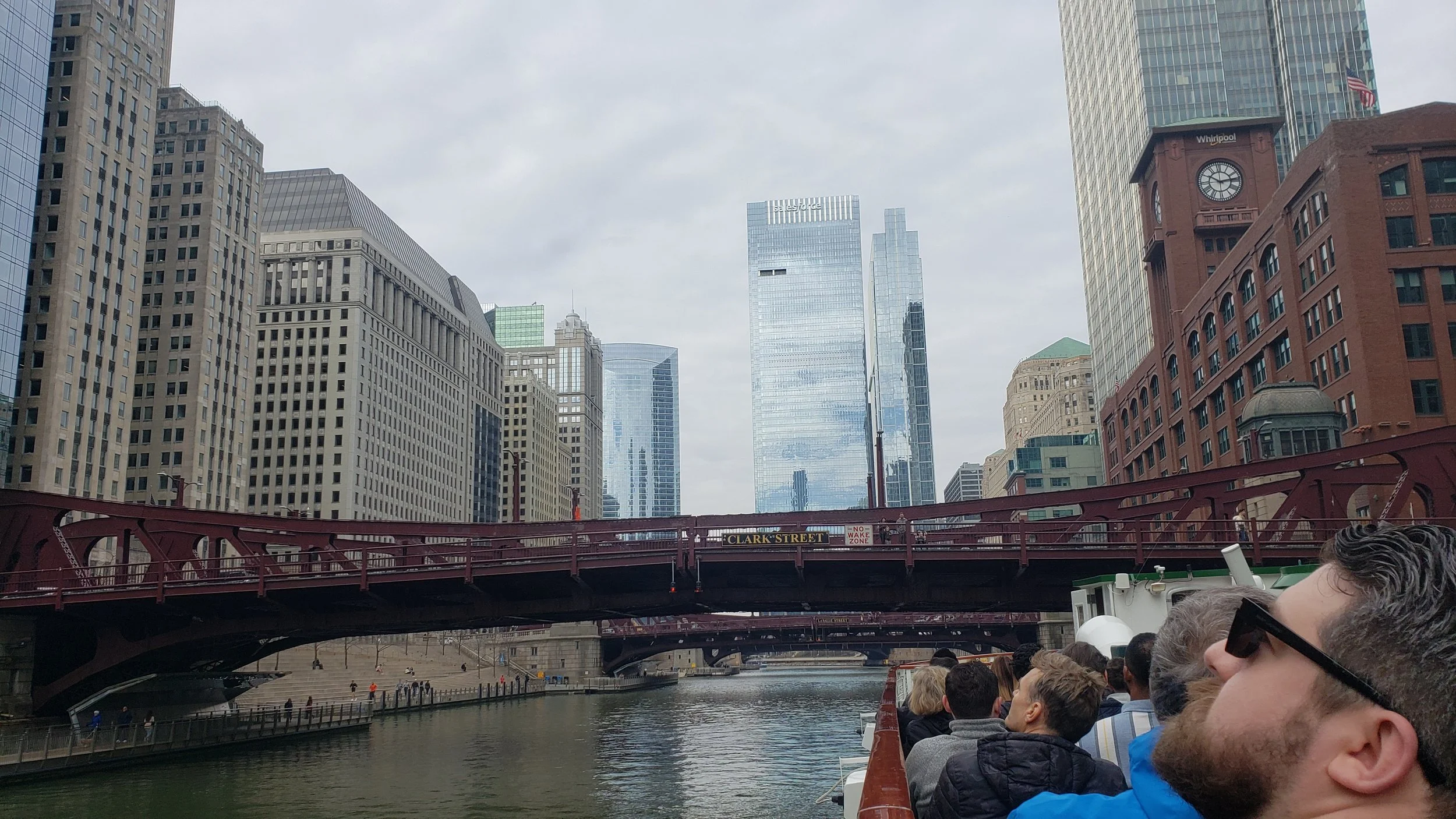
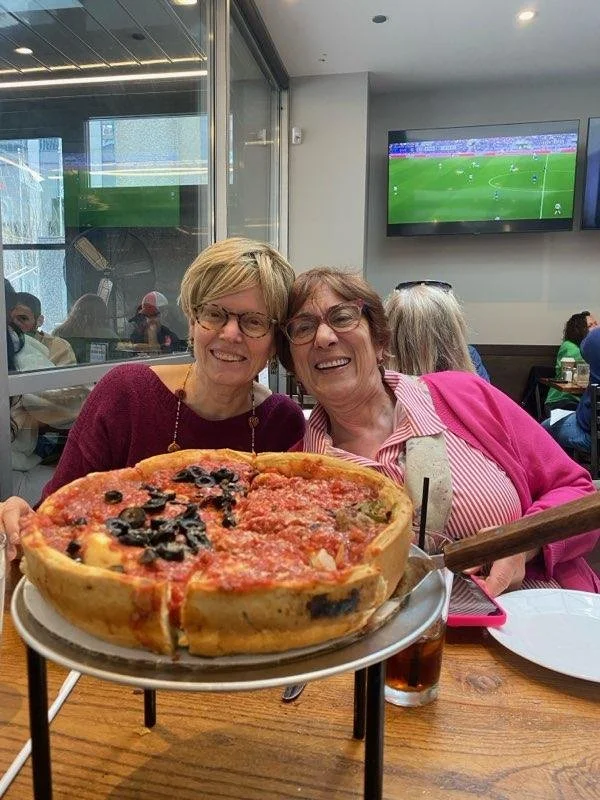
Rediscovering Chicago, where I had lived in the 1980’s did not disappoint! Some special memories were made by taking the Architectural tour on the Chicago River, visiting the Art Museum and finding a beautiful portrait of Erik Satie and eating deep-dish pizza with colleagues.
Upon my return, my suitcase was full of new music and my head was full of the many memories from this 150th year.
Rene Villarreal
The revolving doors of the Chicago Marriott Downtown Magnificent Mile open onto an unlikely stage. Inside, hundreds of musicians and music teachers gather around expansive stair halls and open lounges, transforming the hotel into a living hub of ideas. Over the course of the week, presentations, showcases, competitions, and socials will unfold in a space for artistic growth, professional development, and connection.
Attending alongside friends made the experience especially meaningful, turning each day into a shared exploration. With four events happening simultaneously at almost every hour, choosing where to go became the challenge. In between sessions, I had the rare opportunity to meet some of the most influential authors in music pedagogy, gaining insight into their work and practical guidance on how to bring their ideas into my own teaching.
The other side of the Conference brought incredible musicianship along with the pedagogy, which I could experience across concerts with guests like Angela Hewitt and Scott Yoo, masterclasses, and competitions. Just as inspiring were the conversations with fellow teachers, each one carrying a deep sense of dedication, curiosity, and purpose.
Throughout the conference, I encountered ideas to enrich the way I think about both teaching and performing. I learned the science of how strategically incorporating rest into practice can dramatically improve focus and long-term progress, reframing discipline from constant effort to intelligent pacing.
Marketing has always felt intimidating to me, but some of the sessions showed me how to turn it into a clear, manageable process that can be approached with structure and confidence, not too differently from keeping a scrapbook.
I explored ways of giving students a strong foundation in improvisation, whether in jazz or other styles, so that creativity becomes a natural extension of their training rather than a separate skill.
Conversations around social media helped demystify how musicians can present themselves online in a way that feels both professional and personal.
I was also introduced to thoughtful frameworks for transitioning from individual to group lessons, in the most exciting ways.
Yue Yu
The conference was an incredibly enriching and inspiring professional development opportunity, filled with insightful sessions, world-class performances, and valuable networking with fellow music educators and performers. Among the many standout moments, the duet performance and workshop led by Christopher Fisher left a lasting impression and offered practical, actionable insights I can bring directly to my teaching and collaborative work.
Mr. Fisher’s presentation on duet playing was a masterclass in the nuance of collaborative piano. He broke down key elements that elevate duet performance from mere coordination to cohesive artistic expression:
• Seat height adjustment: He demonstrated how tailored seat heights for each pianist can align arm weight and wrist position, ensuring balanced tone production and seamless physical coordination between players.
• Intentional choreography: Beyond just playing, he emphasized small, synchronized movements and eye contact to create visual harmony, which in turn strengthens musical communication and audience engagement.
• Strategic pedalling: He shared techniques for dividing pedal responsibilities between players, avoiding muddy textures while preserving the resonance and flow of the music.
• Innovative score formatting: He introduced a clear, color-coded score layout that highlights each player’s thematic and rhythmic roles, making it easier to track musical dialogue and balance.
• Score highlighting for clarity: By marking each pianist’s primary melodic and contrapuntal lines, the score becomes a visual guide to the musical conversation, reducing confusion and fostering more intentional listening.
• Improvisation as a creative tool: Most inspiring was his use of duet repertoire as a springboard for improvisation—taking motifs from the original piece to create spontaneous variations, which builds flexibility and creative confidence in both students and performers.
This session not only deepened my understanding of collaborative piano but also gave me concrete strategies to enhance my own teaching and performances. I left Chicago feeling reenergized and eager to apply these ideas to my work with students and fellow musicians.